November 13, 2026
Why Moldy Carpet Padding Is Often Harder to Salvage Than Carpet Fibers
By @healthyfloorhabits
Understanding the Difference Between Carpet and Underlay
When water damage or high humidity strikes a room, the carpet is often the first thing people notice. Stains, odors, and visible mold growth make it clear something went wrong. But what many do not realize is that the carpet itself, the visible top layer, can sometimes be cleaned and restored. The material underneath, the carpet padding or underlay, is another story. In many cases, the underlay holds moisture far longer and becomes a breeding ground for mold that is nearly impossible to remove completely. This is why carpet underlay replacement is often the only practical solution after a mold problem develops.
The carpet fibers you walk on are typically made from synthetic materials like nylon, polyester, or polypropylene. These materials resist moisture absorption to some degree. When water sits on the surface, it can be extracted with powerful vacuums and drying equipment. Mold on the surface can often be treated with antimicrobial cleaners and professional drying techniques. But the padding underneath is a different material entirely. Most carpet padding is made from foam, rubber, or bonded recycled fibers. These materials are porous and act like a sponge. Once they get wet, they hold onto moisture and become a perfect home for mold spores.
How Moisture Affects Carpet Underlay
When water seeps through the carpet and into the padding, it does not just sit there. It soaks deep into the foam or fiber structure. Even if you dry the carpet surface thoroughly, the underlay can remain damp for days or weeks. This trapped moisture creates ideal conditions for mold to grow. Mold does not need much to thrive, just a little warmth, darkness, and moisture. The space under a carpet provides all three. Once mold takes hold in the padding, it spreads through the material. The spores work their way into the tiny pores and crevices. Cleaning the surface of the underlay is not enough because the mold has already colonized the interior of the material.
Professional restoration services, like those described on carpetmoldremovalservices.com, often find that the underlay must be removed entirely when mold is present. The reason is simple: you cannot effectively clean something that is deeply porous and contaminated throughout. Even with industrial-strength antimicrobial treatments, the mold can regrow from spores embedded in the padding. Replacement becomes the only reliable way to ensure the mold problem is truly resolved.
Why Carpet Fibers Are More Forgiving
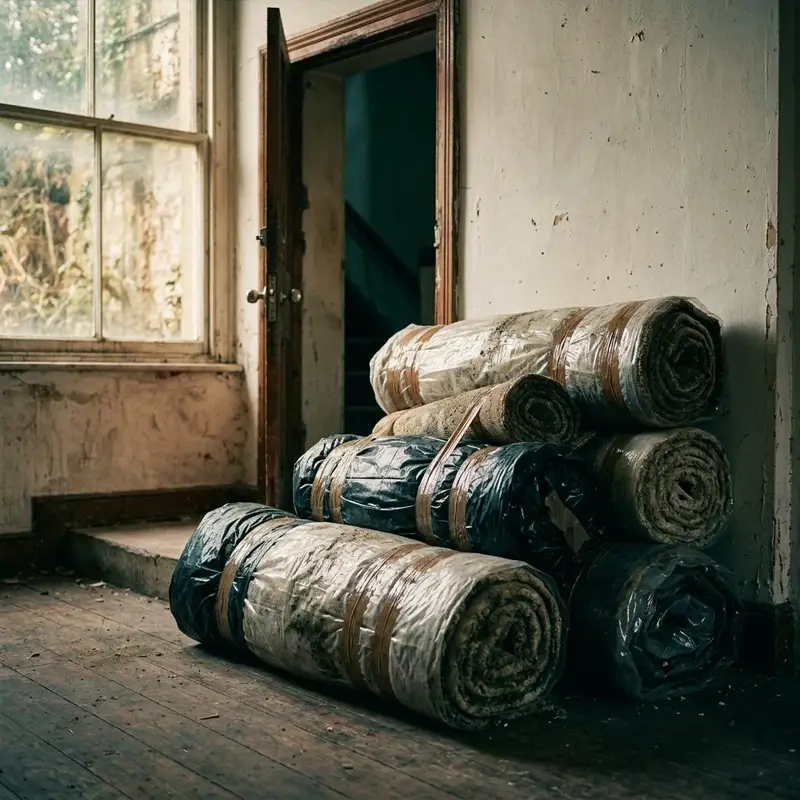
Carpet fibers, especially synthetic ones, have a smoother surface. Mold tends to grow on the surface rather than penetrating deep into the material. This makes cleaning more feasible. With hot water extraction, professional-grade cleaning agents, and thorough drying, many carpets can be saved. The fibers themselves do not absorb water like foam does. They repel it to some extent. This is why you can often clean a moldy carpet and have it look and smell fresh again. The padding, however, does not share this property. It soaks up moisture and holds it, creating a reservoir of dampness that can keep the carpet above it wet from underneath.
Even if you manage to clean the top of the carpet, the mold in the padding can continue to release spores into the air. This affects indoor air quality and can cause health issues for people in the home. The mold can also spread back up into the carpet fibers over time. So what looks like a successful cleaning job on the surface can turn into a recurring problem. This is why many restoration experts recommend replacing the underlay whenever there is significant water damage or mold growth. It is not a matter of trying to save money by keeping the padding. It is about doing the job properly the first time.
What to Look For When Assessing Damage
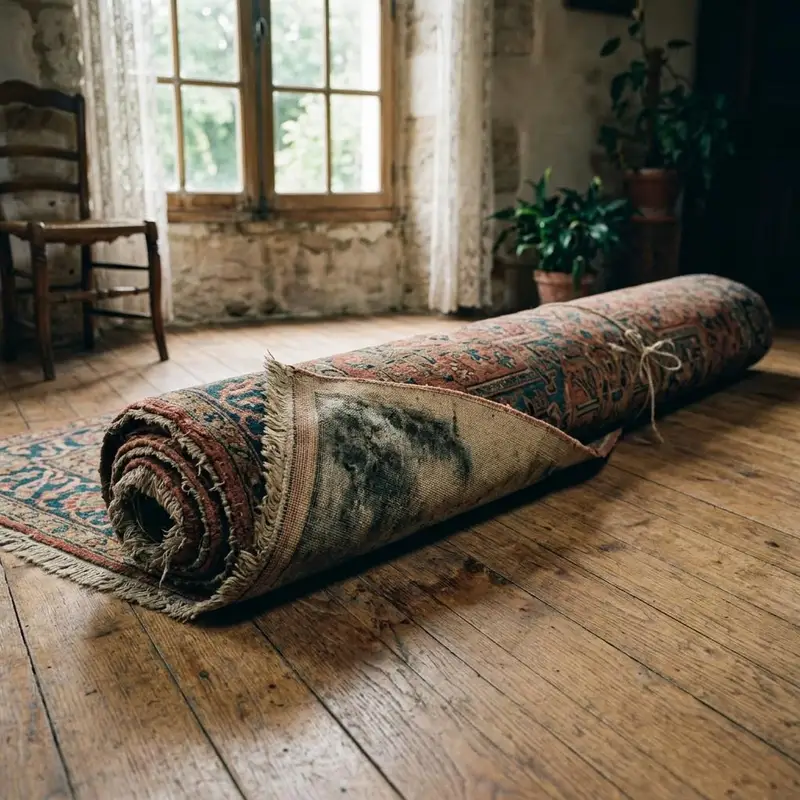
If you suspect mold in your carpet, there are a few things to check. First, look at the carpet surface. Are there visible dark spots or a musty smell? If yes, the padding underneath is likely affected. Second, lift a corner of the carpet if possible. Feel the padding. Is it damp or crumbly? Does it have a strong odor? These are signs that the underlay has been compromised. Third, consider how long the moisture was present. Even a few days of dampness can be enough for mold to take hold in foam padding. The longer the material stays wet, the deeper the mold penetrates. Fourth, think about what caused the moisture. Was it a clean water leak from a pipe, or was it floodwater that may contain contaminants? Both can lead to mold, but floodwater often carries additional bacteria and dirt that make restoration harder.
When you find mold in the underlay, the practical choice is usually to remove and replace it. Trying to clean it in place is rarely effective. The cost of replacement is often lower than the cost of repeated cleaning attempts that do not solve the problem. Plus, leaving moldy padding in place can damage the carpet above it over time. The carpet may start to separate from the padding, or the padding may disintegrate into a powdery mess. Replacing the underlay also gives you a chance to install a higher quality padding that resists moisture better in the future.
The Role of Professional Assessment
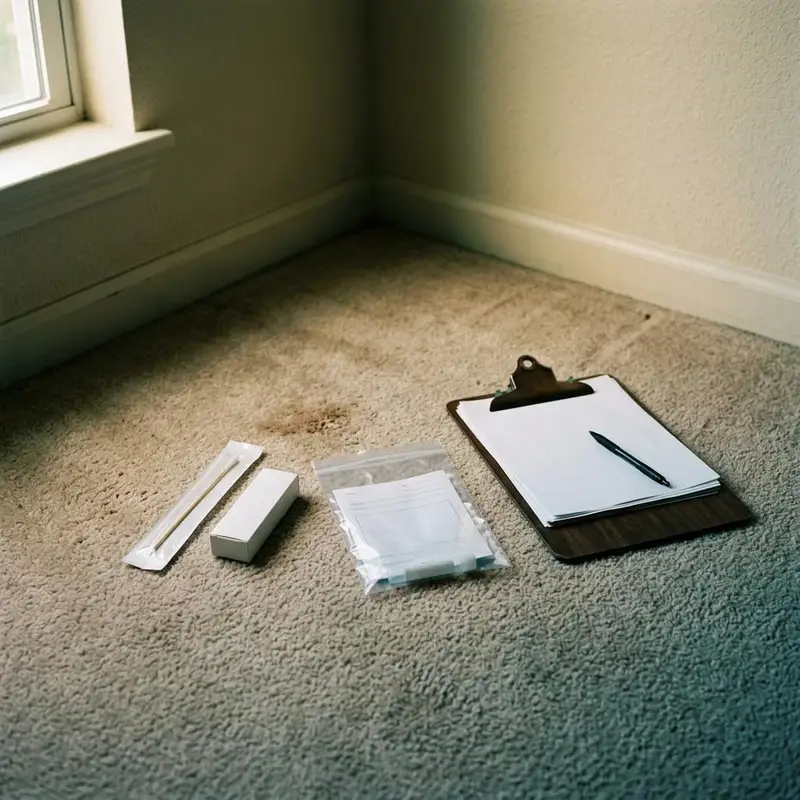
Not every case of mold in carpet requires full replacement. Sometimes the damage is limited to a small area, and a professional can cut out the affected section of padding and patch it. But this only works if the mold has not spread to the surrounding area. Professionals use moisture meters and thermal imaging to find hidden damp spots. They can also test air quality to see if mold spores are circulating. This kind of assessment is valuable because it tells you exactly what needs to be done. A company like Carpet Mold Removal Services Pros can evaluate the extent of the damage and recommend a course of action. They understand the difference between surface mold on carpet fibers and deep contamination in the underlay. Their focus is on identifying moisture sources, removing contaminated materials, drying the structure, and improving indoor air quality. This comprehensive approach ensures that the mold problem is addressed at its root, not just covered up.
One of the key steps in professional mold remediation is removing the source of moisture. This might mean fixing a leaky pipe, improving ventilation, or addressing a condensation issue. Without stopping the moisture source, even new underlay will eventually become moldy again. So the process is not just about replacing the padding. It is about solving the underlying problem that caused the moisture in the first place. This is where experience and proper equipment make a difference. Professionals know how to dry out the subfloor or concrete slab beneath the carpet, which is another area where moisture can hide.
What Happens When You Skip Underlay Replacement
Some homeowners try to save time and money by only cleaning the carpet surface and leaving the padding in place. This often leads to a return of the mold problem within weeks or months. The mold in the padding continues to grow and eventually breaks through the carpet fibers again. The odor may come back, and the visible spots reappear. In some cases, the mold can spread to other areas of the home through the HVAC system or by being tracked on shoes and pets. This makes the problem bigger and more expensive to fix later. Skipping underlay replacement can also void any warranty on new carpet if the manufacturer discovers that old, contaminated padding was left underneath. It is simply not worth the risk.
Replacing the underlay is not a difficult job for a professional. It involves removing the carpet carefully, pulling up the old padding, cleaning the subfloor, and installing new padding. The carpet can then be reinstalled or replaced if needed. The whole process can be completed in a day or two for a typical room. The result is a clean, dry, mold-free environment that protects both the carpet and the indoor air quality. For many people, this peace of mind is worth the investment.
Key Takeaways for Homeowners
If you are dealing with a moldy carpet, remember that the padding is often the real problem. Carpet fibers can usually be cleaned, but the underlay may need to be replaced. Do not assume that a surface cleaning will solve the issue. Check the padding if you can, and consider having a professional assess the situation. Companies like Carpet Mold Removal Services Pros specialize in this type of work and can guide you through the process. They know what to look for and how to handle different types of moisture damage. Their services are designed to restore your home's indoor air quality and prevent future mold growth.
For more detailed information on mold remediation and carpet restoration, you can visit carpetmoldremovalservices.com. The site offers resources and guidance for homeowners dealing with water damage and mold issues. It is a good starting point if you want to understand your options before calling a professional. Remember, when it comes to mold, acting quickly is important. The longer you wait, the more the mold spreads, and the harder it becomes to fix.
In short, the difference between carpet fibers and carpet padding is the key to understanding why replacement is often necessary. Fibers can be cleaned because they do not absorb much water. Padding absorbs water like a sponge and traps mold deep inside. Once that happens, cleaning is not enough. Replacement is the reliable solution. So if you ever face a moldy carpet situation, look beneath the surface. That is where the real story lies, and that is where the solution begins.
❧